Temperature-Controlled Stainless Steel Tanks for Heating & Cooling Applications
What Is a Jacketed Stainless Steel Tank
Details
Model
Dimensions
SST
Customizable
Temperature is a critical factor affecting finished products; even slight temperature fluctuations can lead to instability. The three-layer process effectively addresses this issue. Senieer’s jacketed stainless steel tanks utilize multiple heating methods (electric heating, steam heating) and cooling water, and are equipped with a real-time temperature monitoring system. Jacketed system precisely monitors and adjusts the filling temperature within the tank, ensuring product quality.
How a Jacketed Tank Works (Heating & Cooling Principle)
The jacketed temperature control is an indirect heat exchange (medium heat exchange). It uses the temperature of the material inside the tank as feedback to adjust the flow rate, pressure, or heating power of the heat transfer medium in the jacket to achieve temperature control. Senieer provides both electric heating and steam heating methods, as well as a matching cooling water system (customizable).
Electric Heating
Electric Heating Method
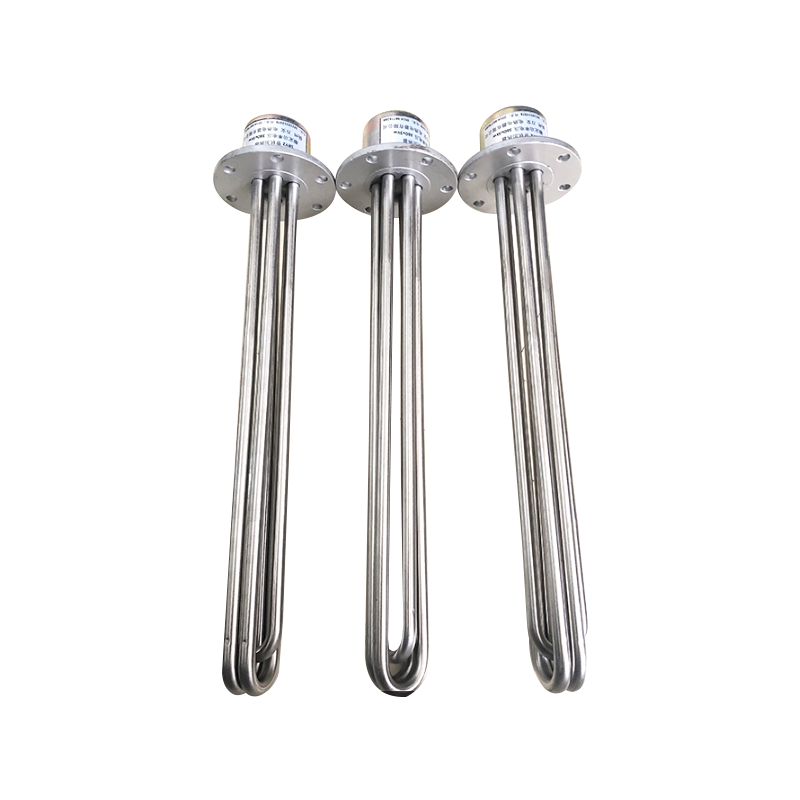
The jacket houses an electric heating element, enabling direct heating of the medium. It features easy installation, convenient temperature control, and no pollution, with temperatures ranging from 50 to 100 degrees Celsius. However, the heating time increases with equipment capacity, limiting its application to small-volume laboratory-scale and pilot-scale equipment ranging from 5L to 500L. Furthermore, cooling requires draining the heating medium, resulting in some waste.
Steam Heating
Steam Heating Method
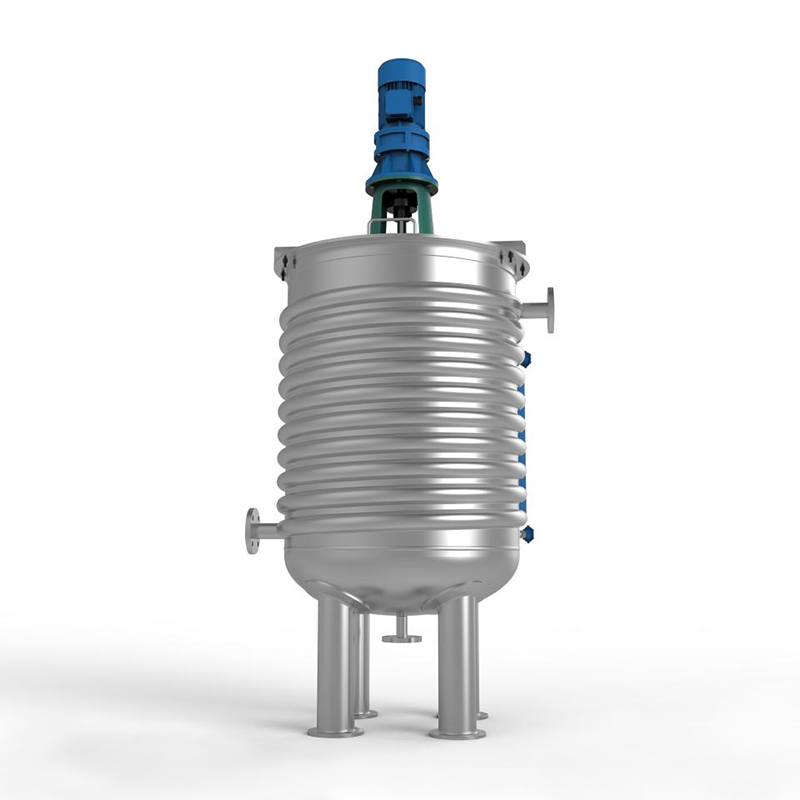
Steam in the heating pipes heats the outer surface of the inner liner. This heat is then rapidly transferred to the contents inside the liner via conduction. Heating time is short, and temperatures can reach 100-200°C. Steam jackets provide uniform heat distribution and save energy compared to electric heating. Steam jackets are generally considered safer and more environmentally friendly than other types of heating. However, they require an external steam source.
Cooling Water Method
The cooling water system utilizes a low-temperature medium that circulates within the equipment jacket (or within the heating pipes in steam-heated systems) to indirectly exchange heat with the materials, continuously removing heat to achieve temperature control and cooling. The medium can be selected according to requirements. For lowering the temperature to room temperature, industrial cooling water is sufficient, offering lower costs and a gentler cooling process. However, for temperatures below room temperature, a low-temperature ethylene glycol/salt water solution circulation system paired with a chiller unit is recommended, as it provides strong cooling capacity and enables low-temperature control.
Inner Tank vs Jacket Material
The inner tank, which directly contacts the materials, is typically made of higher-grade stainless steel 316L to effectively mitigate corrosion risks and is compatible with CIP/SIP cleaning in the industry. Its surface can be polished to a Ra ≤ 0.4μm, ensuring no cleaning dead zones and easy maintenance. It complies with GMP and FDA hygiene standards, preventing material residue and contamination. This material is the standard configuration for pharmaceutical equipment that comes into contact with materials.
The material exhibits strong temperature adaptability, high strength, and excellent weldability, though its cost is relatively high.
For jacket panels, the key requirement is to maintain appropriate maximum temperatures. Using 304 stainless steel for exterior cladding provides both aesthetic appeal and cost-effectiveness.
Current Product: Jacketed Stainless Steel Tank
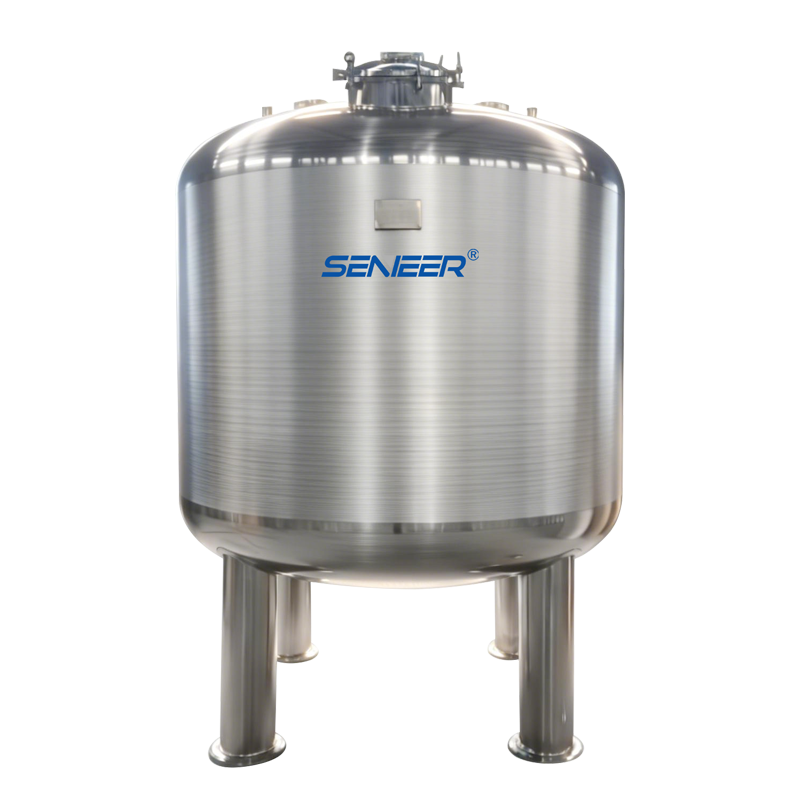
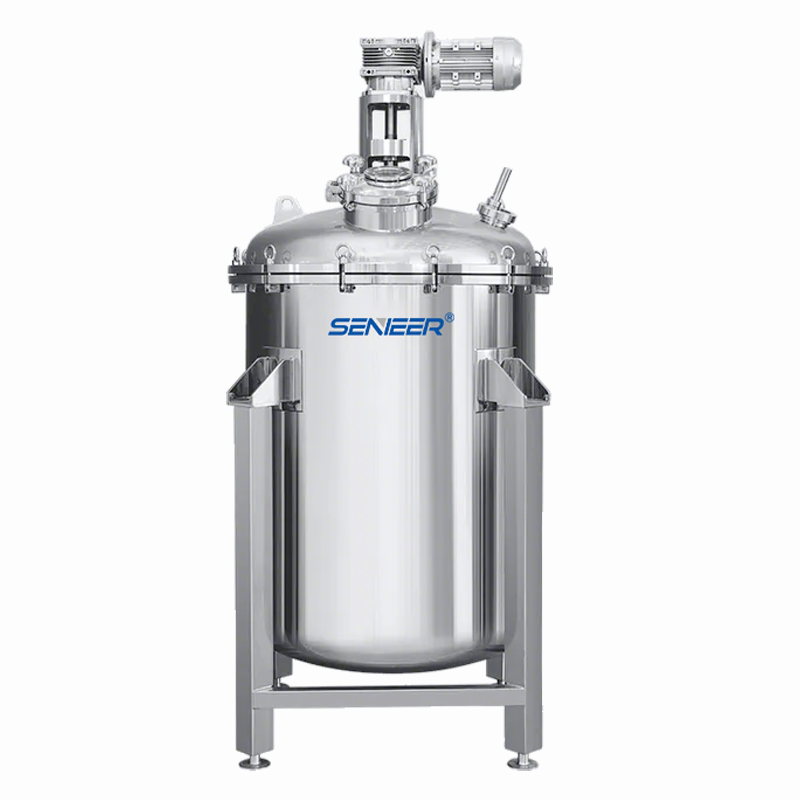
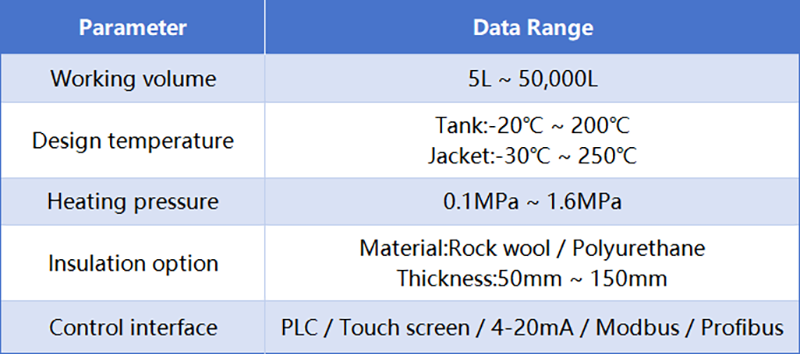
Jacketed Stainless Steel Tank is a highly versatile piece of equipment extensively utilized in diverse industries owing to its outstanding temperature control capabilities. It enables real-time temperature monitoring. We offer a capacity range from 5L to 50000L, meeting the requirements of the majority of customers. Additionally, customized sizes are available to better fit the factory environment.