Bin Blender for Food & Beverage

Gentle and Enclosed Powder Blending for Food and Beverage Manufacturing

Suitable for milk powder, flavorings, blended seasonings, instant beverages, and nutritional powders.

Bin Blender for Food & Beverage

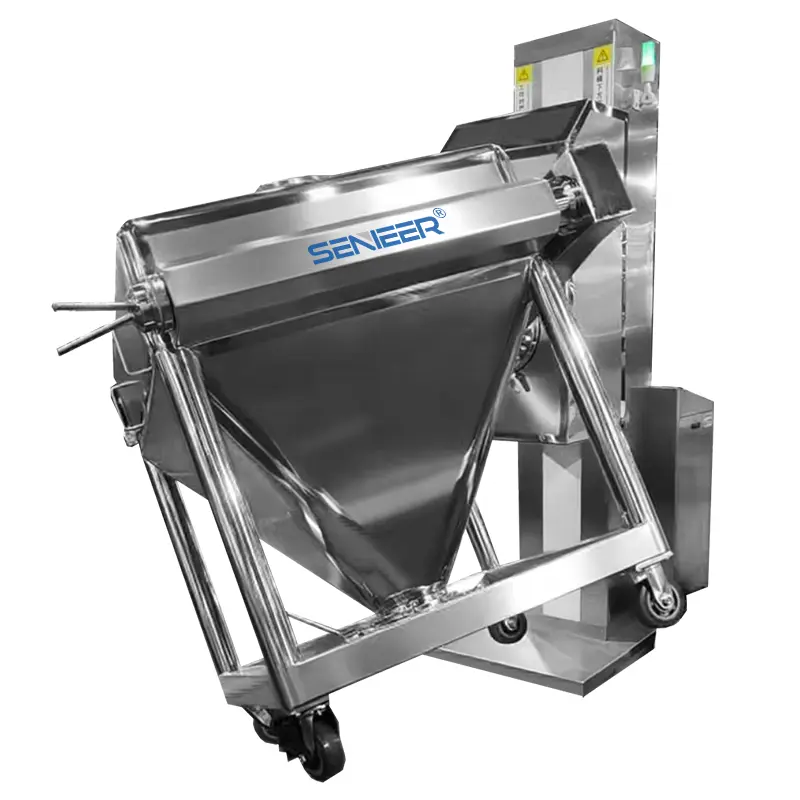
Maintaining product consistency in food and beverages is a key factor affecting user experience. Senieer manufactures a bin blender specifically for the food industry. It is made entirely of 316 steel stainless and food-grade materials, meeting high cleanliness standards. In addition, the bin blender’s 3D mixing technology differs from traditional mixing, minimizing material damage while achieving better mixing results.

Product Features

  • Fully meet FDA and CE certification
  • All processes are in the inner bin, avoiding pollution to the outside environment
  • It is made of 316/304 (adjustable), Ra < 0.4μm, no dead angle
  • No rotating part in the bin inside, to protect the integrity of materials
  • Gentle tumbling preserves flavors and fragile components
  • Easy clean and bin can be changed, shorten downtime
  • One machine equipped with multiple interchangeable bin
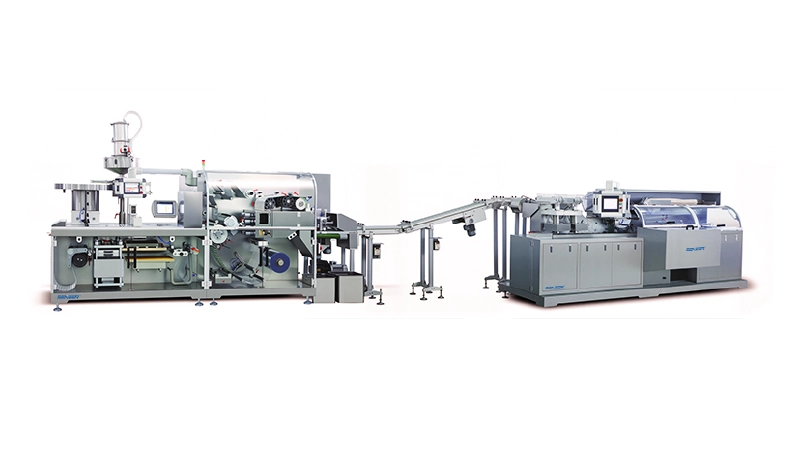
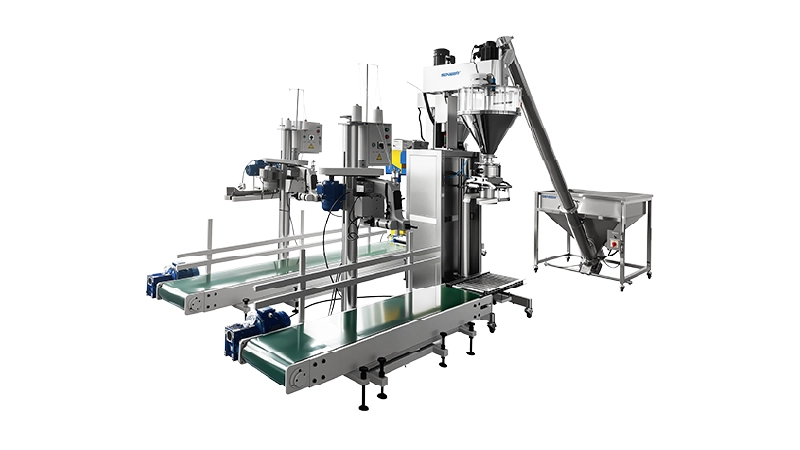
  • Optimizing the production process by directly connecting to the packaging machine for enclosed discharge, reducing manual material transfer

Application

Application of Senieer equipment in pharmaceutical industry

Nutritional powder

Application of Senieer equipment in nutraceutical industry

Milk powder

Application of Senieer equipment in food industry

Flavorings

Application of Senieer equipment in chemical industry

Solid beverages

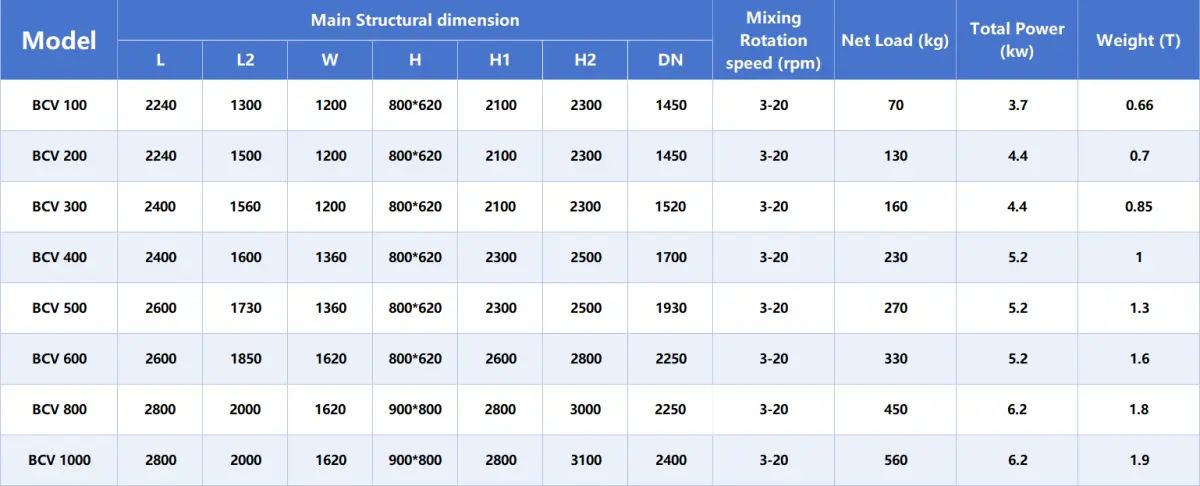
Technical Parameters Of Bin Blender for Food & Beverage

Technical Parameters Of Bin Blender for Food & Beverage

Product Details of Bin Blender for Food & Beverage

A bin blender with a single blending bin can meet basic batch mixing requirements. However, food manufacturers handling multiple recipes, frequent flavor changeovers, or different batch sizes may benefit from a multi-bin configuration.

Multiple bins allow manufacturers to separate production tasks, organize recipe changeovers, and make better use of the blending equipment.

1. Reduce Flavor Carryover Between Different Recipes

Flavor consistency is an important consideration for food manufacturers producing different seasonings, beverage powders, or nutritional blends.

When multiple recipes share the same blending bin, residual ingredients may affect the flavor of subsequent batches if cleaning is insufficient.

Using dedicated bins for different product categories can help reduce flavor carryover associated with shared containers. It also allows manufacturers to organize cleaning and product changeovers according to their production requirements.

For allergen-containing products, dedicated bins must still be supported by appropriate segregation and cleaning procedures.

2. Reduce Waiting Time Between Production Batches

In conventional single-bin operations, the blender may remain idle while the bin is emptied, cleaned, dried, or prepared for the next batch.

With multiple interchangeable bins, manufacturers can arrange these activities around the blending schedule.

For example, while one bin is being used for mixing, another can be prepared for the next recipe, provided the equipment layout and operating procedures allow it.

This arrangement can reduce unnecessary waiting between batches and improve the utilization of the blending equipment.

3. Support Different Batch Sizes and Production Requirements

Food manufacturers often produce different batch quantities depending on product demand, recipe variations, and production schedules.

A multi-bin configuration may allow manufacturers to use different bin capacities with the same blending unit, provided the bins are mechanically compatible with the equipment.

This can be particularly useful for manufacturers handling both smaller specialty batches and larger production orders.

Senieer can review bin capacity, allowable loading weight, and equipment compatibility to determine a suitable configuration for each application.
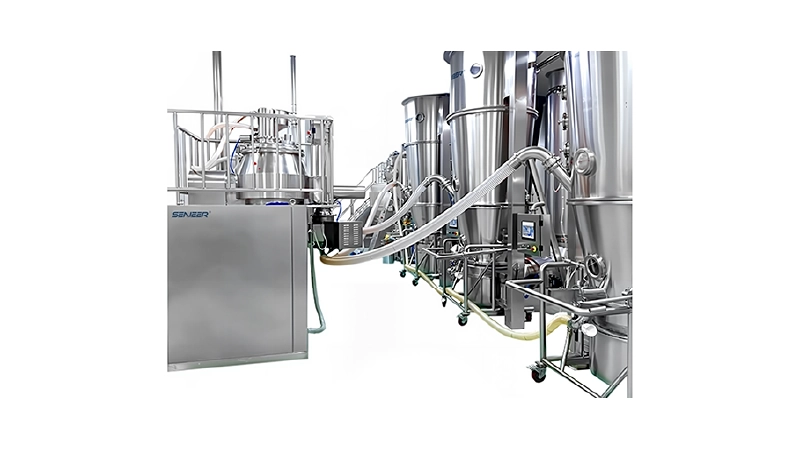
Configuration Based on Your Production Requirements

Senieer can review your powder characteristics, batch capacity, number of recipes, and cleaning requirements to help determine a suitable bin blender configuration.

Factors such as bin capacity, stainless steel grade, discharge arrangement, and available installation space should be considered during equipment selection.

Technical Consultation and Process Integration

Selecting a food bin blender involves more than choosing the mixing capacity.

The characteristics of your ingredients, production workflow, material transfer method, and downstream packaging requirements can all influence equipment selection.

Share your material information and production requirements with Senieer to discuss a suitable blending solution.

bin blender for food and beverage

Current Product: Bin Blender for Food & Beverage

The Senieer bin blender for food and beverage applications uses three-dimensional tumbling to mix dry powders within a closed bin. Its design has no internal rotating agitator, supporting gentle handling of suitable ingredients. Interchangeable bins allow manufacturers to organize filling, mixing, discharge, and cleaning around their production schedule.

Share your material information and production requirements with Senieer to discuss a suitable blending solution.

Upstream Products

vacuum conveying
Vacuum Conveying
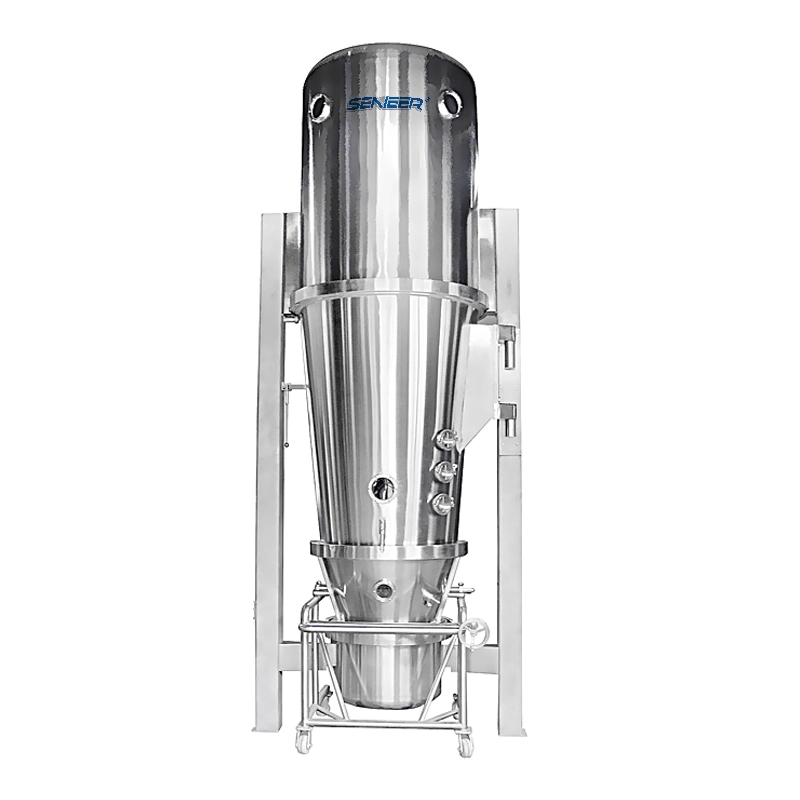
FBD600 Fluid Bed Dryer
Fluid Bed Dryer
SRMG 200 OEB 45 High Containment High Shear Mixer
Rapid Mixer Granulator Machine
src 240 roll compactor
Roll Compactor

Downstream Products

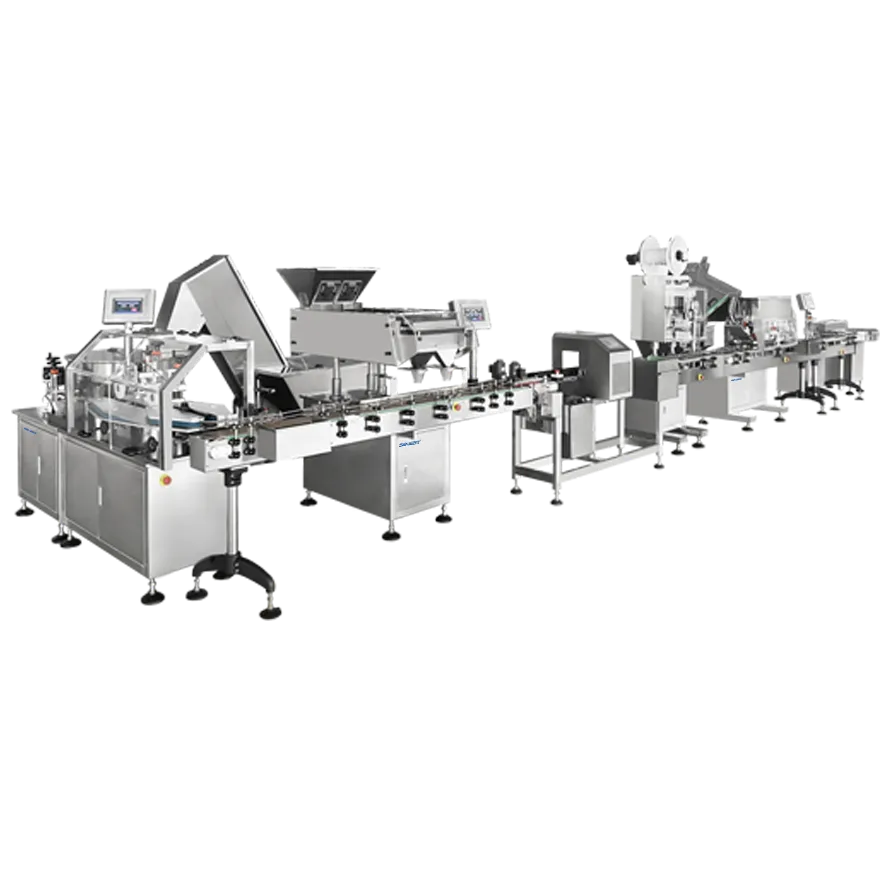
bottle filling line
Bottle Filling Line
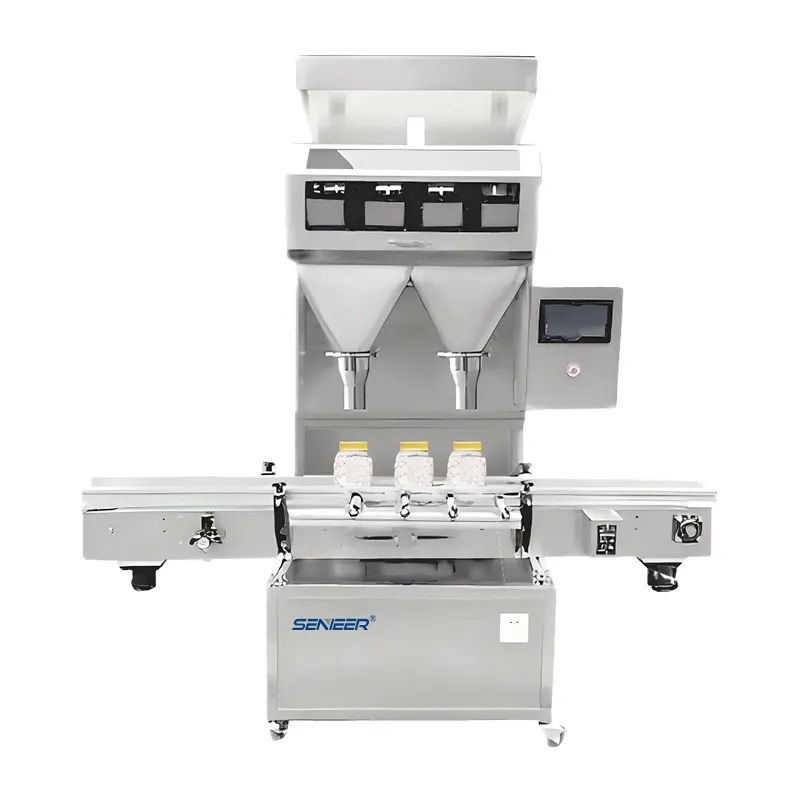
gmb 02b automatic powder filling machine
Automatic Powder Filling Machine
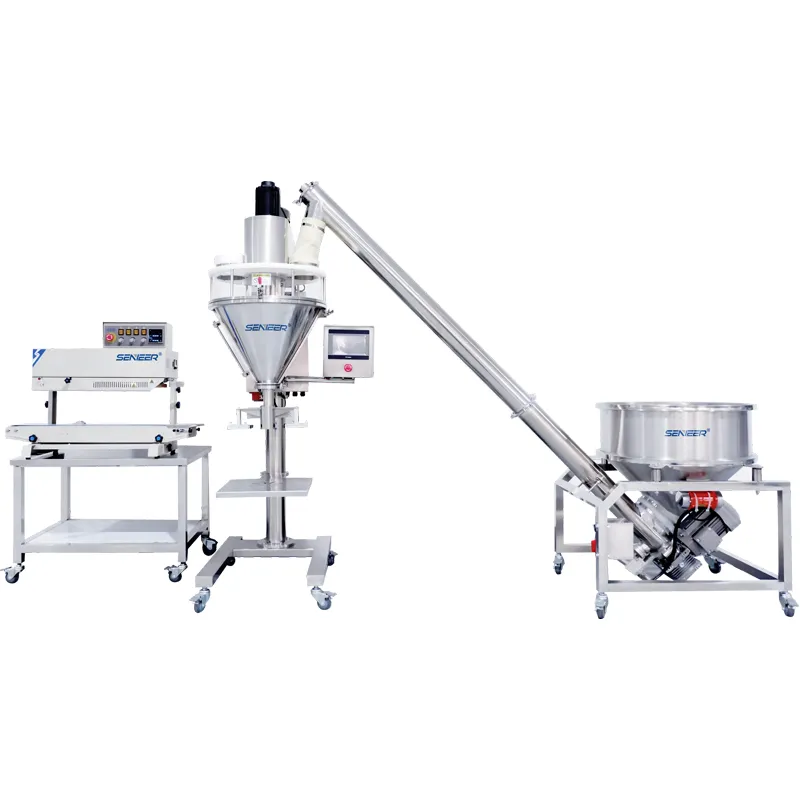
spl 300 powder filling line
Powder Filling LIne
tablet compression machine-2
Tablet Compression Machine

Product Inquiry

Customized one-stop product solutions,
industry expert advice is waiting for you! Start your project today

Scroll to Top

Contact Senieer® Support Team For Any Enquiry