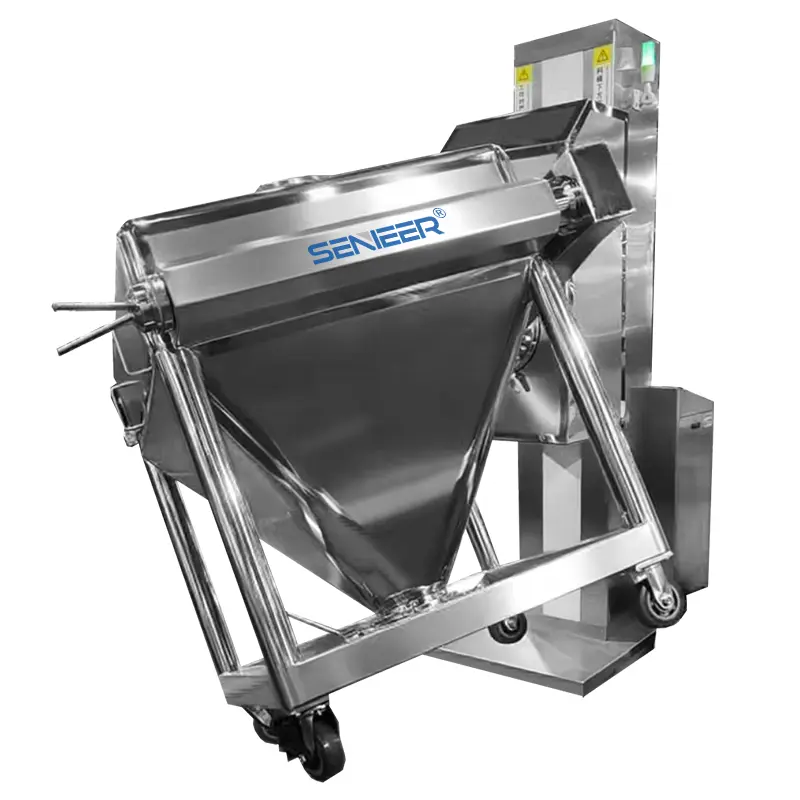
A bin blender with a single blending bin can meet basic batch mixing requirements. However, food manufacturers handling multiple recipes, frequent flavor changeovers, or different batch sizes may benefit from a multi-bin configuration.
Multiple bins allow manufacturers to separate production tasks, organize recipe changeovers, and make better use of the blending equipment.
1. Reduce Flavor Carryover Between Different Recipes
Flavor consistency is an important consideration for food manufacturers producing different seasonings, beverage powders, or nutritional blends.
When multiple recipes share the same blending bin, residual ingredients may affect the flavor of subsequent batches if cleaning is insufficient.
Using dedicated bins for different product categories can help reduce flavor carryover associated with shared containers. It also allows manufacturers to organize cleaning and product changeovers according to their production requirements.
For allergen-containing products, dedicated bins must still be supported by appropriate segregation and cleaning procedures.
2. Reduce Waiting Time Between Production Batches
In conventional single-bin operations, the blender may remain idle while the bin is emptied, cleaned, dried, or prepared for the next batch.
With multiple interchangeable bins, manufacturers can arrange these activities around the blending schedule.
For example, while one bin is being used for mixing, another can be prepared for the next recipe, provided the equipment layout and operating procedures allow it.
This arrangement can reduce unnecessary waiting between batches and improve the utilization of the blending equipment.
3. Support Different Batch Sizes and Production Requirements
Food manufacturers often produce different batch quantities depending on product demand, recipe variations, and production schedules.
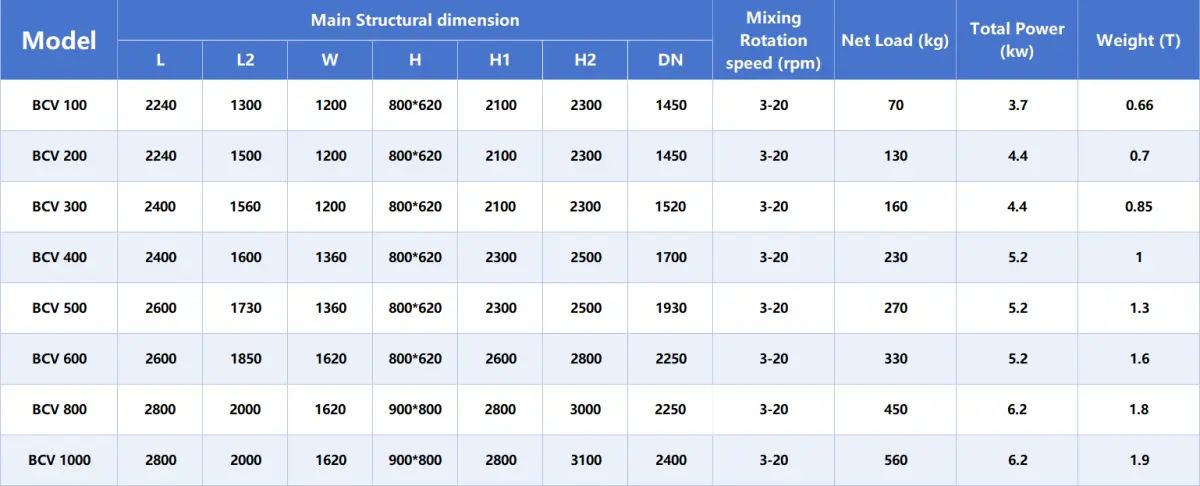
A multi-bin configuration may allow manufacturers to use different bin capacities with the same blending unit, provided the bins are mechanically compatible with the equipment.
This can be particularly useful for manufacturers handling both smaller specialty batches and larger production orders.
Senieer can review bin capacity, allowable loading weight, and equipment compatibility to determine a suitable configuration for each application.