




Colloid Mill

The Senieer colloid mill is designed for ultrafine wet grinding, emulsification, and dispersion in pharmaceutical, food, and chemical processing. Its three-stage grinding chamber and adjustable rotor-stator clearance support different material processing requirements. Contact Senieer to discuss a suitable configuration for your application.

Introduction Of Colloid Mill

A colloid mill is a wet-processing machine used for fine grinding, dispersion, emulsification, and homogenization of suitable fluid and semi-fluid materials. The Senieer SCM130 utilizes high-speed rotor-stator action to process materials such as slurries, pastes, and emulsions. Its adjustable grinding clearance allows operators to adapt the processing conditions to different material characteristics and desired product textures.It is widely used in wet fine processing in food, personal care, pharmaceutical and fine chemical industries.


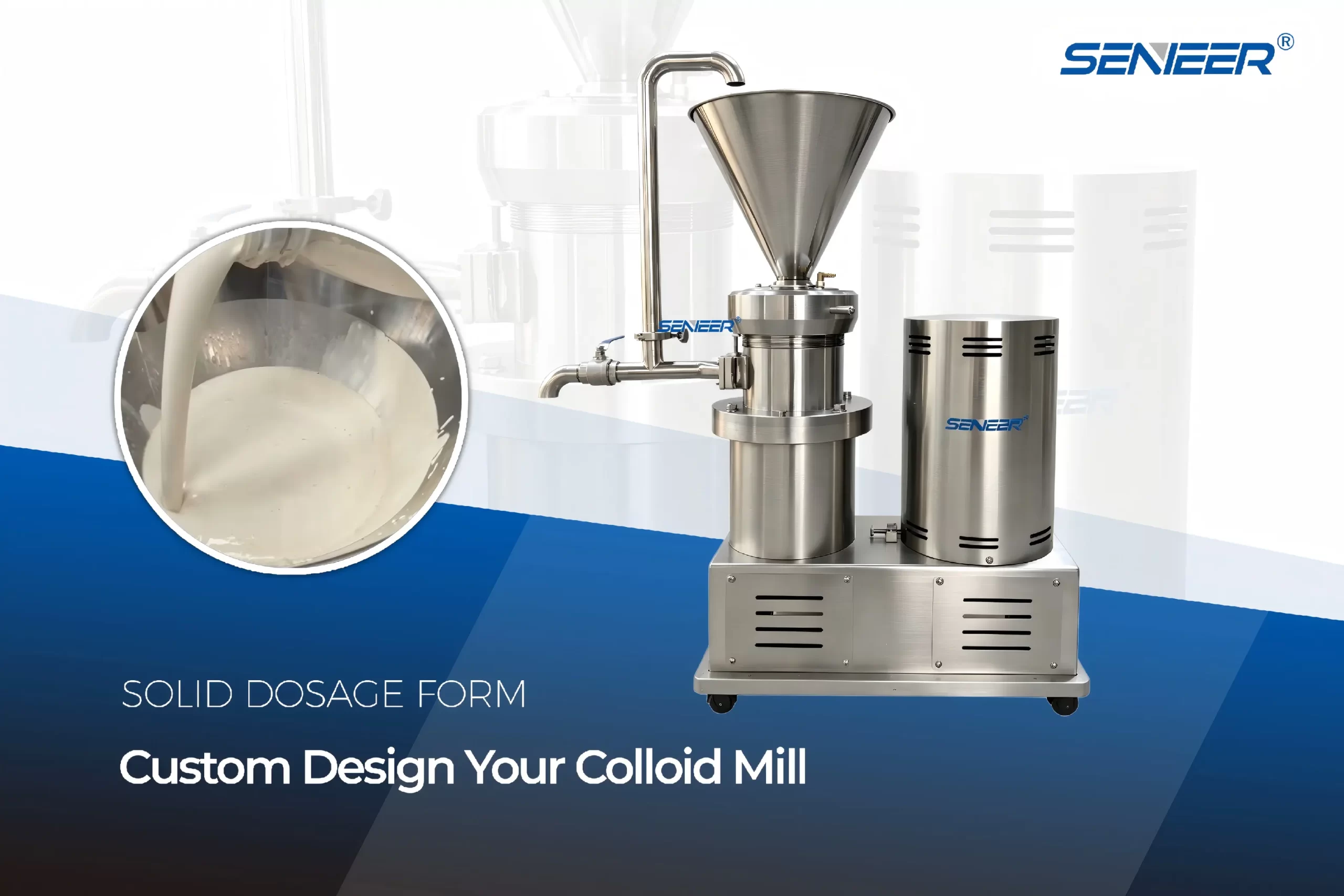
Senieer colloid mill custom design graphic featuring stainless steel equipment and a processed cream sample

Different Types Of Colloid Mill

Colloid mills come in various types to suit different production environments and grinding needs. Customized services are available

Choose Your Colloid Mill

A colloid mill is used across industries including pharmaceutical, food, and fine chemical manufacturing to process relevant materials such as viscous pastes, ointments, suspensions, emulsions, nut butters and particle-laden slurries. Requirements vary by industry, the pharmaceutical industry often prioritizes hygienic GMP-compliant design, precise particle size control and low-temperature processing capability, while the food industry focuses on product texture refinement, long-term emulsion stability and easy sanitation. Appropriate equipment selection depends on material properties (such as viscosity, initial particle size and heat sensitivity), required processing capacity, and final product quality requirements.

The grinding process begins with material being fed into the crushing chamber, where high-speed rotating crushing blades strike and break it down. Then the particles are forced through a screen, which determines the final particle size. The eligible ground material is discharged, while larger particles are recycled for further grinding, ensuring uniform particle size distribution.

Guidelines For Colloid Mill

Different materials and production requirements call for suitable configurations, including adjustable rotor-stator clearance, water cooling jacket system, motor power rating, throughput capacity, and wetted parts material specifications. Senieer offers a full range of colloid mill products and professional engineering support, depending on the equipment model. The following sections explain its features and applications, key components, configuration options, and Senieer support.

Excellent processing accuracy and uniformity

After treatment, the particle size of materials can reach 2~50 μm with overall uniformity above 90%, making it an ideal equipment for wet ultra-fine particle processing.

Efficient and sufficient grinding effect

Driven by high-speed relative motion between stator and rotor, composite forces including strong shear force, friction force, impact force and high-frequency vibration act on materials to efficiently complete crushing, dispersion, emulsification and mixing.

Flexible fineness adjustment

The grinding chamber is equipped with three-stage grinding zones: coarse grinding, fine grinding and ultra-fine grinding. The stator-rotor gap is adjustable, and circulation processing mode is supported, to flexibly meet different requirements for ultra-fine grinding fineness.

Stable and independent cooling system

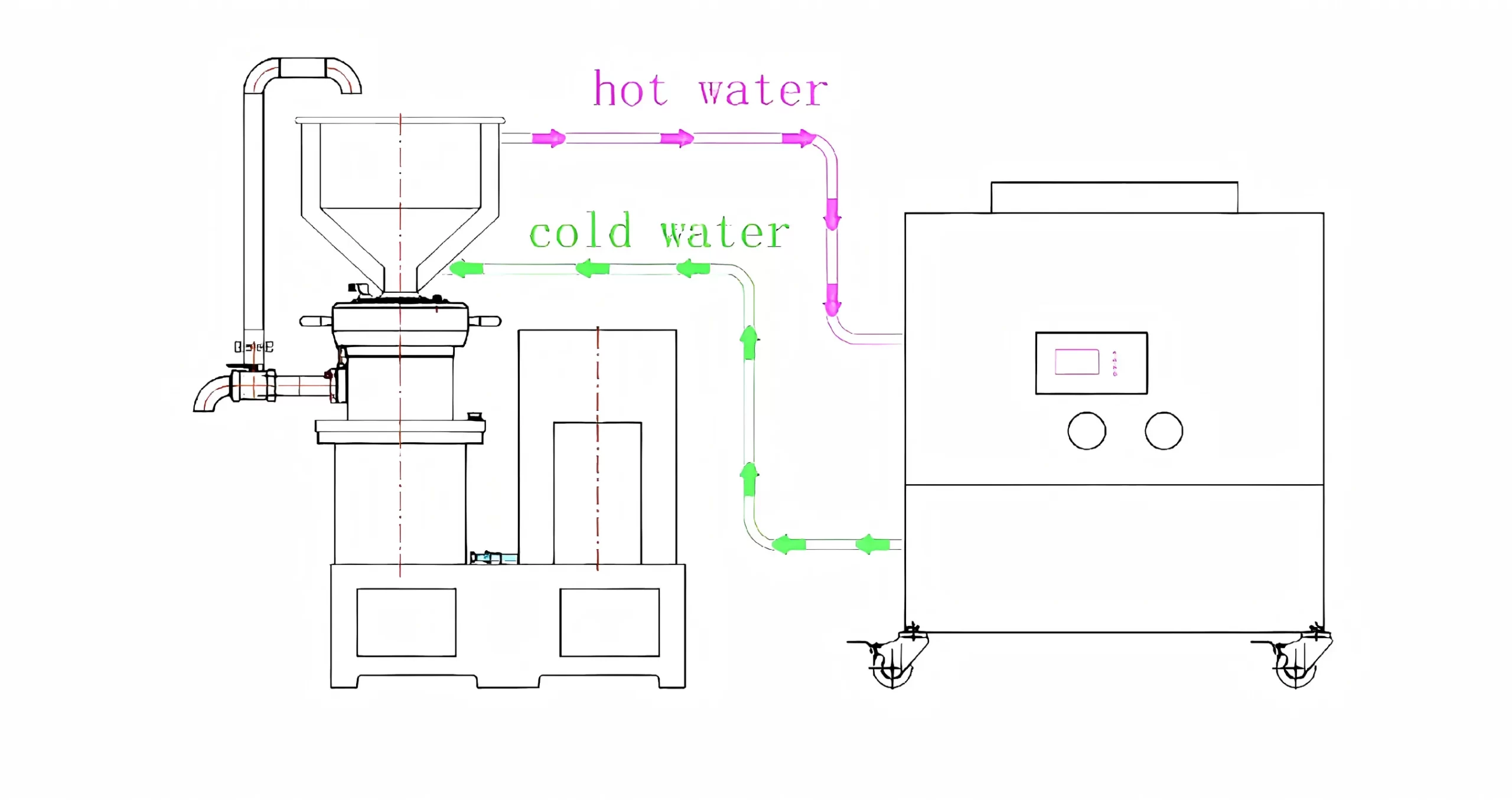
Equipped with an integrated closed-loop cooling system consisting of water tank, water pump, compressor and condenser. No external water source is required. It continuously removes heat generated during operation to maintain stable processing temperature and ensure efficient and reliable operation.

Wide compatibility across industries and materials

Applicable to pharmaceutical, food, chemical and other industries. It can perform grinding, emulsification, homogenization and mixing on various semi-wet materials and emulsion materials.

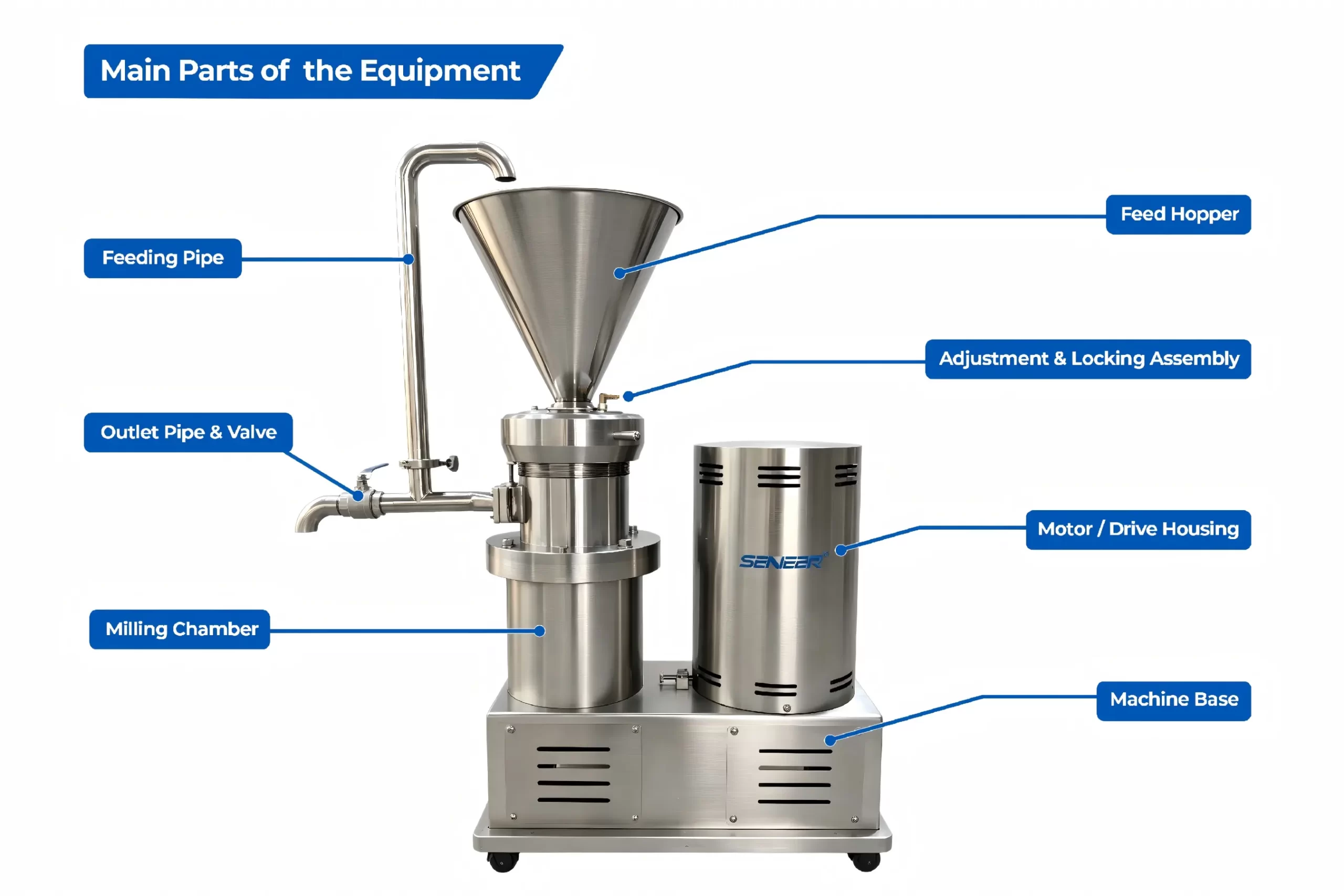
Senieer colloid mill main components, including feed hopper, milling chamber, outlet pipe and motor housing

Here are the basic and key components of hammer mill:

Feeding Pipe

Connects the top feed hopper to the processing chamber to ensure smooth material feeding.

Feed Hopper

Stores raw materials and feeds materials into the machine by gravity.

Outlet Pipe & Valve

Controls material discharge. Some models support circulating reflux processing.

Milling Chamber

Built with rotor and stator. It achieves material grinding, homogenization and refinement through high-speed shearing, friction and dispersion.

Motor & Drive Housing

Provides power for equipment operation and protects the motor and transmission components.

Adjustment & Locking Assembly

Fastens and fixes components. It can adjust the gap between stator and rotor to control processing fineness and effect.

Machine Base

Supports the whole machine structure. It contains internal electrical and transmission parts and provides heat dissipation and ventilation to ensure stable operation.

Senieer colloid mill closed-loop water cooling system diagram

Senieer colloid mills combine a three-stage grinding structure with adjustable rotor-stator clearance to accommodate different wet processing requirements. The grinding chamber consists of coarse, fine, and ultra-fine grinding zones, where materials undergo successive shearing, friction, and impact. By adjusting the gap between the rotor and stator, operators can adapt the grinding process to different material characteristics and target particle sizes.

The SCM colloid mill features 316L stainless steel material-contact components, including the rotor and stator, making it suitable for applications where material compatibility and hygiene are important considerations.

An integrated cooling design is another important feature. The SCM supports cooling of the rotor and stator, while a closed-loop chiller system circulates cooling water to remove heat generated during processing. This configuration helps manage operating temperatures during continuous wet grinding, particularly for materials requiring temperature control.

Senieer can also review customer-specific processing requirements when determining machine configurations. Production capacity, material characteristics, electrical requirements, and cooling arrangements should be considered when selecting a suitable colloid mill solution

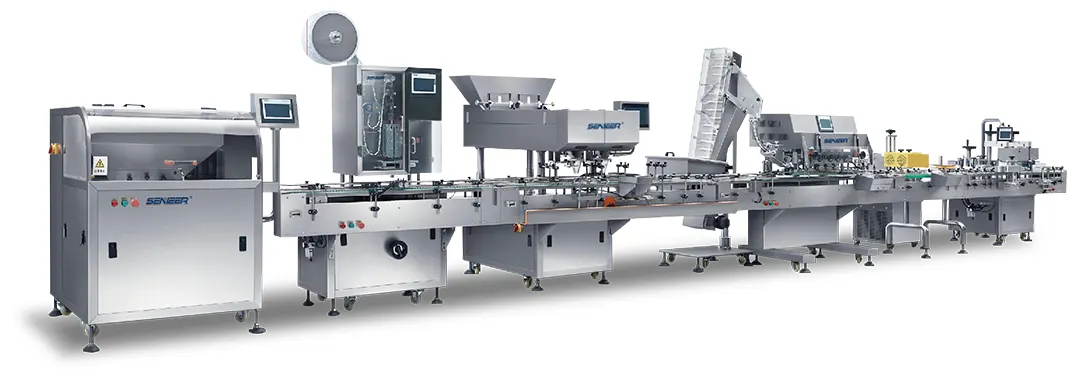
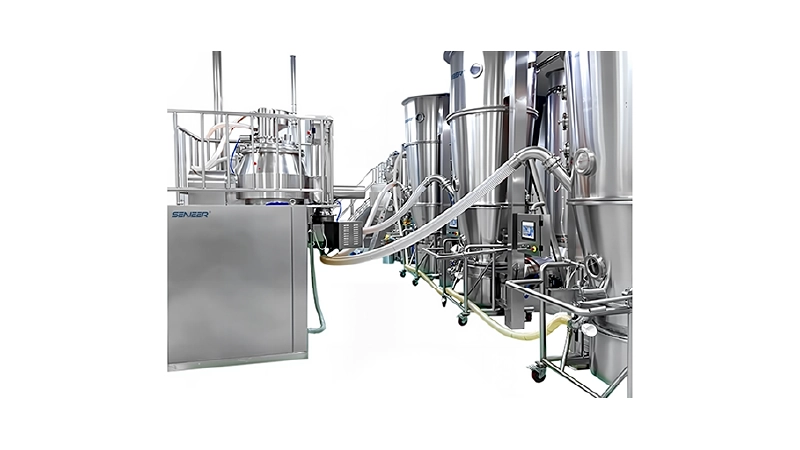
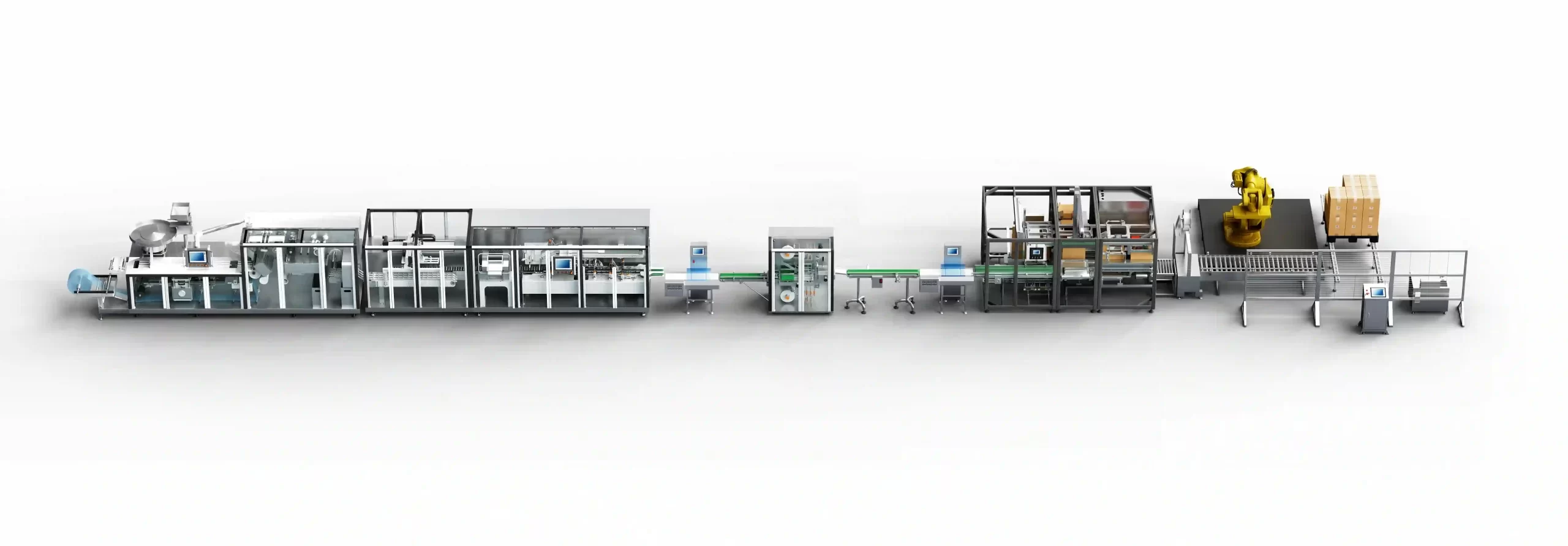
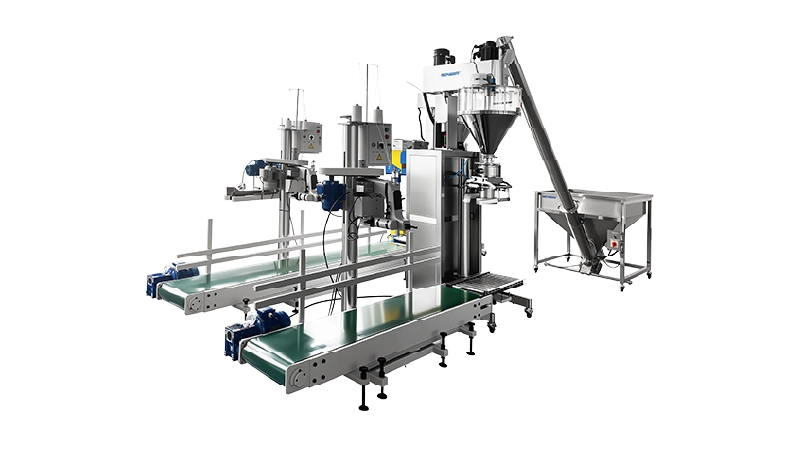
Choosing the right colloid mill requires more than comparing equipment specifications. Manufacturers must consider material characteristics, production capacity, processing consistency, and compatibility with their existing production systems. Senieer provides colloid mill solutions for pharmaceutical, food, and chemical processing applications. Beyond individual machines, Senieer supplies pharmaceutical processing equipment covering mixing, granulation, milling, conveying, and packaging. This broader equipment portfolio enables customers to discuss colloid mill requirements alongside related processing equipment and production line integration. Whether you are evaluating a standalone colloid mill or planning a more comprehensive processing solution, Senieer can help review your technical requirements and identify an appropriate equipment configuration.

Choose Your Interested Production Line

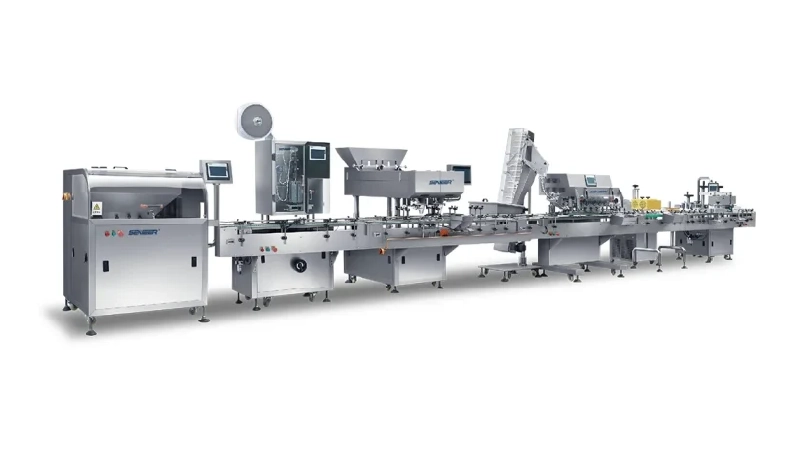
Bottle Filling Line
Bottle Filling Line
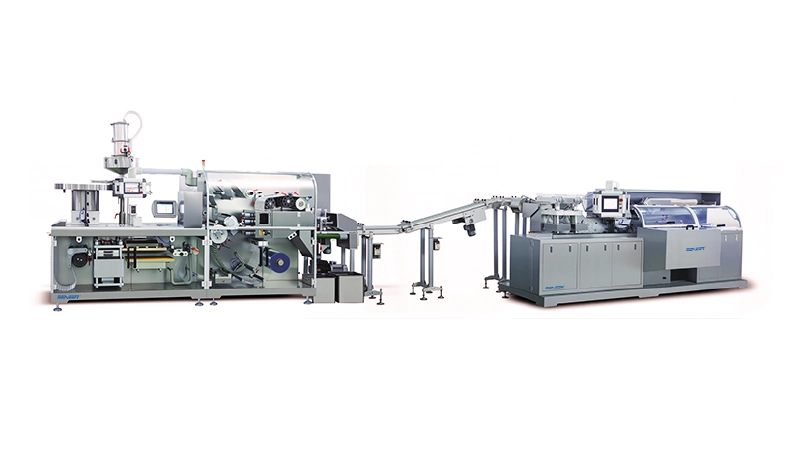
Blister Packaging line-2
Scroll to Top

Contact Senieer® Support Team For Any Enquiry