Pharmaceutical-Grade Qualification vs. General Industrial Standards
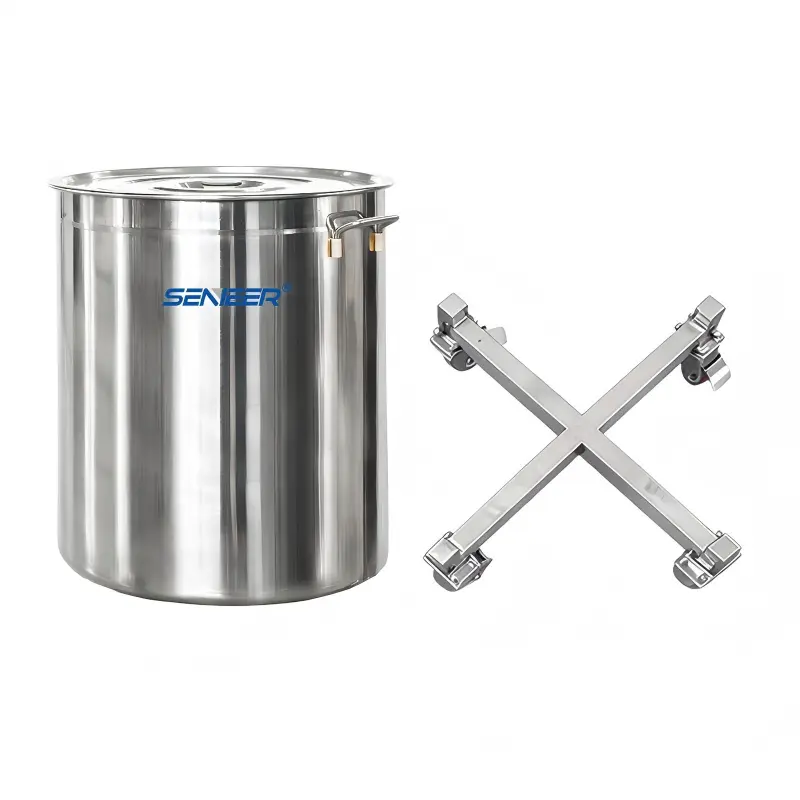
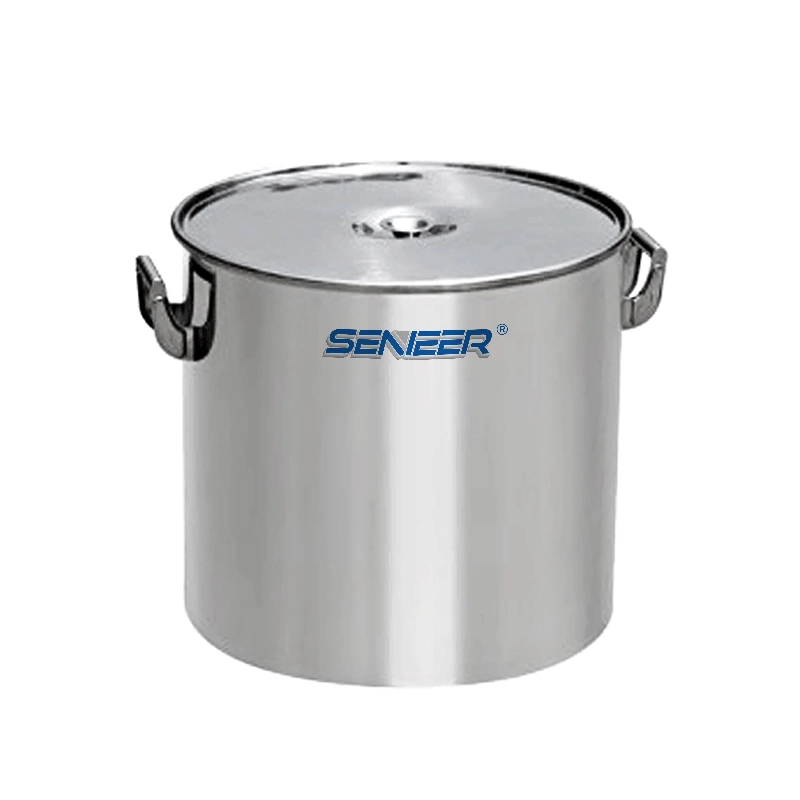
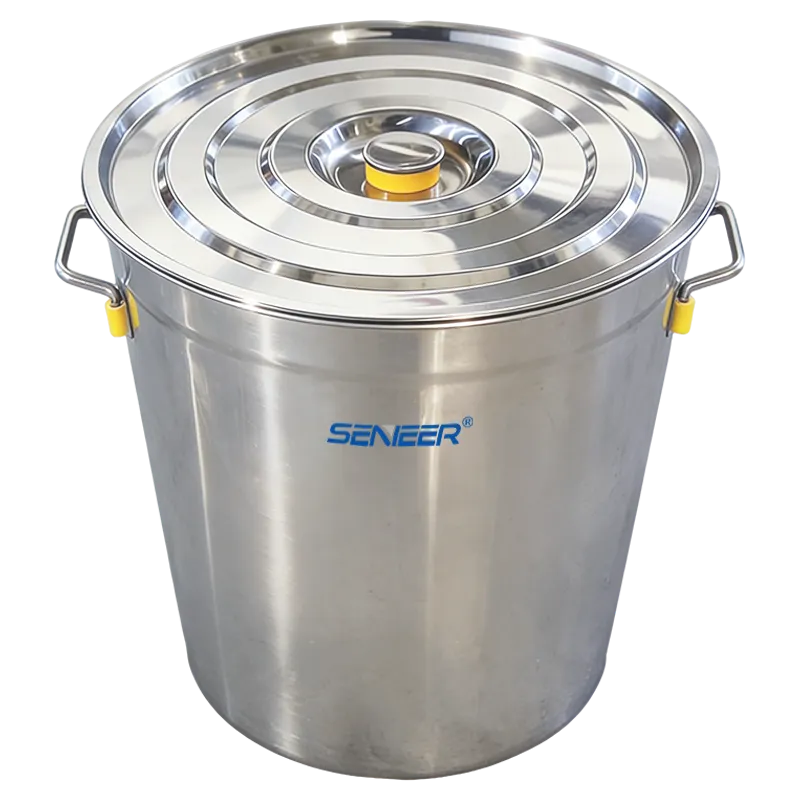
Pharmaceutical-grade drums are classified as primary packaging for pharmaceuticals and are subject to strict regulation by global health authorities:
For the US market, compliance with relevant FDA 21 CFR regulations is required; key materials can be referenced by pharmaceutical manufacturers via Type II DMF filings.
For the EU market, compliance with EU GMP and European Pharmacopoeia (EP) standards is required, along with audits under the PIC/S mutual recognition system.
In Active Pharmaceutical Ingredient (API) production environments, compliance with ICH Q7 guidelines is mandatory to ensure packaging materials do not negatively impact API quality.
Bidirectional Inertness and Zero Contaminant Migration
Industrial drums are general-purpose industrial packaging; they only need to meet ISO dimensional standards and UN certification for the transport of dangerous goods. They lack the statutory qualifications required for pharmaceutical contact and cannot be used for the storage or transport of pharmaceuticals, APIs, or pharmaceutical excipients.
Pharmaceutical-grade drums require bidirectional inertness:
They must resist corrosion by the pharmaceutical product while preventing the migration of harmful substances—such as heavy metals, plasticizers, oligomers, or particulates—into the product.
They must not adsorb active pharmaceutical ingredients or alter the product’s purity and efficacy.
Structural Design: Cleanliness and Residue-Free Performance vs. Structural Strength
Industrial drums are designed primarily for compressive strength, impact resistance, and cost-efficiency; consequently, features such as reinforcing ribs and right-angle welds are often incorporated, creating “dead zones” that are difficult to clean and prone to material residue.
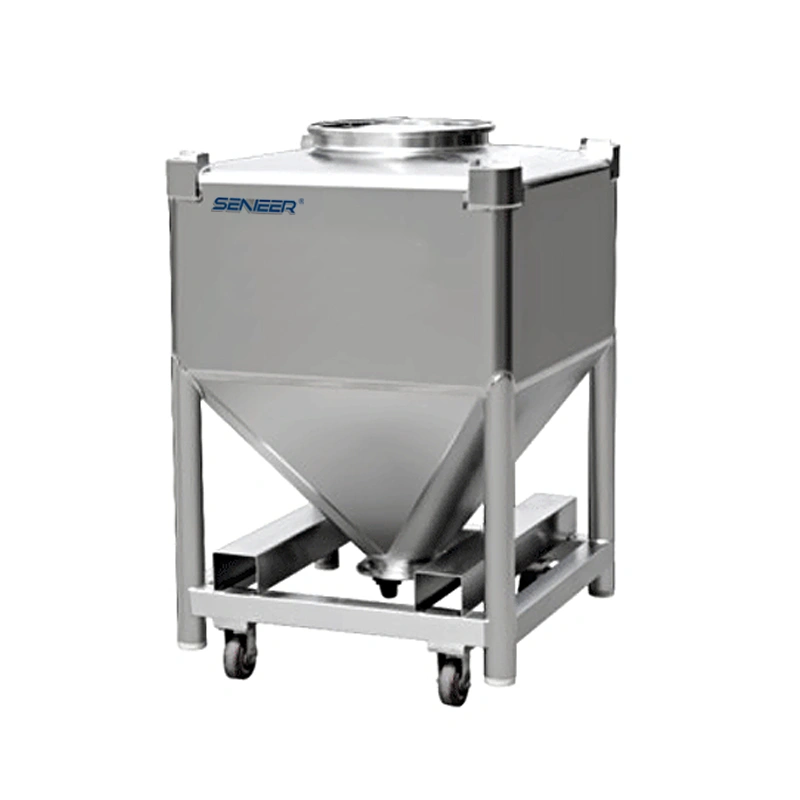
Pharmaceutical-grade drums adhere to EHEDG hygienic design principles, featuring radiused internal corners and smooth, polished welds—free from protrusions, crevices, or blind holes. This design ensures a material discharge rate exceeding 99.5% and eliminates cleaning blind spots, preventing microbial growth and cross-contamination at the source while supporting automated CIP (Clean-in-Place) processes.
Full Lifecycle Quality Control
Quality control for industrial drums is limited to physical spot-checks prior to shipment.
Quality control for pharmaceutical-grade drums spans the entire lifecycle, encompassing incoming raw material inspection, controlled clean production processes, comprehensive finished-product testing, and post-use cleaning validation. Test reports for extractables and microbial levels are retained for every batch, ensuring full traceability and compliance with pharmaceutical industry quality audits and regulatory inspections.