





Butterfly Valve IBC Bin
A stainless steel intermediate bulk container with a bottom butterfly valve for batch handling and gravity discharge of suitable powders and granules.
Introduction of Butterfly Valve IBC Bin
A butterfly valve IBC bin is an intermediate bulk container used to hold and transfer batches of powders and granules. Its main components include the vessel, filling lid, conical base, discharge valve and support structure. Material enters through the top and is released through the bottom outlet, reducing repeated bag opening, tipping and container changes between processing stages.
Senieer stainless steel bins are available in 304 or 316L stainless steel, with material selection, capacity and connection details matched to the application. Smooth internal surfaces and suitable seals support cleaning and routine batch handling
Different Types Of Butterfly Valve IBC Bin
According to the different classification standards, there are diverse Butterfly Valve IBC Bin. Classified according to the driven types, Butterfly Valve IBC Bin has the following types:
Manual lever butterfly valve (standard for most IBCs, 90° handle operation)
Pneumatic butterfly valve: for automatic production lines and closed feeding, widely used on stainless steel powder IBCs
According to the requirements of clients, Senieer can design Butterfly Valve IBC Bins with specific material and driven types.
Find Butterfly Valve IBC Bin According To Your Industry Or Process
From pharmaceutical and food processing to fine chemical and new energy lithium battery manufacturing, the Senieer Butterfly Valve IBC Bin has become a standard choice for automatic and hygienic bulk material handling. A sanitary butterfly valve mounted at the conical bottom enables sealed feeding, in-bin blending and smooth gravity discharge of powders and granules, keeping the whole process efficient, clean and operator-safe.
A Butterfly Valve IBC system can combine an IBC bin fitted with a bottom butterfly valve, a filling station, a discharge station and a compatible post bin blender. The filling station supports material loading into the bin, while the discharge station connects the bin outlet to downstream equipment. The butterfly valve opens or closes by rotating its disc, allowing or stopping the gravity discharge of suitable powders and granules. A matched connection between the bin and receiving equipment helps reduce dust release during transfer. When designed for use with a compatible post bin blender, the same bin can serve as both a blending and transfer container, reducing repeated material handling between production stages.
Guidelines For Butterfly Valve IBC Bin
As an intermediate bulk container, the Butterfly Valve IBC Bin is used for storing, transferring and discharging powders and granules, and can also serve as a blending container when matched with a compatible bin blender. Compared with traditional bulk bags, its reusable stainless steel construction supports routine cleaning and reduces repeated bag opening and material tipping between production stages. The bottom butterfly valve provides straightforward opening and closing for gravity discharge, making it a practical option for materials with suitable flow properties. Depending on the process arrangement, the bin can discharge a complete batch or supply downstream equipment through controlled valve operation. Discharge performance should be matched to the material characteristics and receiving equipment.
Key Features of Butterfly Valve IBC Bin
- A rotating butterfly disc opens and closes the bottom outlet for straightforward discharge operation.
- A conical base directs suitable powders and granules toward the outlet for gravity discharge.
- Stainless steel construction and smooth internal surfaces support cleaning, inspection and repeated use.
- Lid and valve seals help limit exposure to the surrounding environment during storage and transfer.
- Bin dimensions, support arrangements and discharge connections can be matched to the production layout.
- Compatible blending bins combine mixing and transfer functions to reduce material changes between containers.
When Should I Choose a Butterfly Valve IBC rather than a Cone Valve IBC?
A butterfly valve IBC is a practical option when the material flows well and the main requirements are batch storage, transfer and gravity discharge. Routine discharge is managed by opening and closing the valve disc at the outlet.
A standard butterfly valve does not actively break a bridge inside the bin. Cone valve systems can use cone movement and associated flow assistance to influence material discharge, making them worth evaluating where flow interruptions require more active management.
How Do I Calculate The Bin Capacity For My Batch?
Start with the batch mass and bulk density, then allow for the permitted fill fraction:
Required bin volume (L) = Batch mass (kg) ÷ Bulk density (kg/L) ÷ Permitted fill fraction
For illustration, assume a 240 kg batch, a bulk density of 0.6 kg/L, and an 80% fill fraction:
240 ÷ 0.6 ÷ 0.8 = 500 L
The 80% figure is an illustrative assumption. The working fill fraction must suit the intended storage, transfer or blending operation. Blending requires appropriate space for material movement.
Also check the bin’s rated payload and whether the handling or blending equipment can accommodate the combined weight of the bin and its contents.
Can the Butterfly Valve Provide Accurate Dosing?
Valve position can influence discharge, but opening the disc halfway does not establish half the maximum flow rate. Material condition and the receiving arrangement can change the actual discharge behavior.
For accurate batch additions, the control strategy should account for weighing, valve response and material that continues to fall after closure. Stable low-rate feeding may require a dedicated feeder. A standard shut-off butterfly valve alone does not establish dosing accuracy.
Applications And Process Integration Of Butterfly Valve IBC
Pharmaceutical and nutraceutical production
Handle suitable excipients, dry granules and blends between processing stages, with matched feeding arrangements for tablet compression or capsule filling.
Food and ingredient processing
Transfer crystalline sugar, suitable granular ingredients and dry blends while reducing repeated bag opening and tipping.
Chemical and general powder processing
Move compatible powders, granules and intermediate products between blending, screening and packaging operations, subject to material and flow assessments.
A typical process sequence is:
Fill → Close and identify the batch → Store or transfer → Blend where applicable → Connect and discharge → Clean, inspect and reuse.
Choose Your Interested Production Line
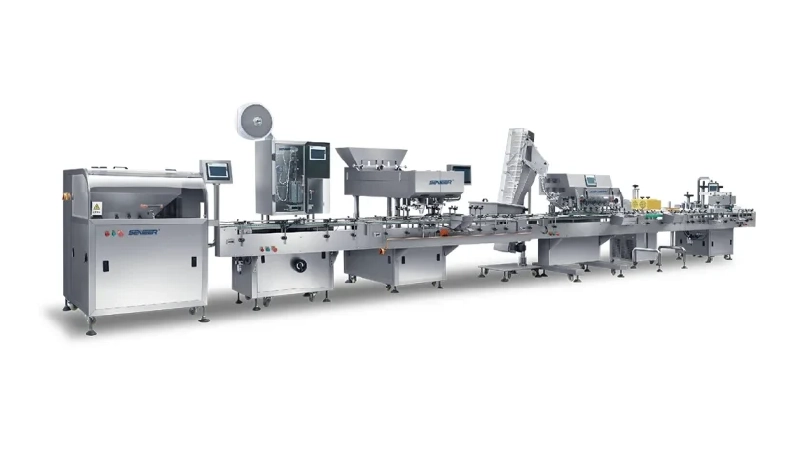
Bottle Filling Line
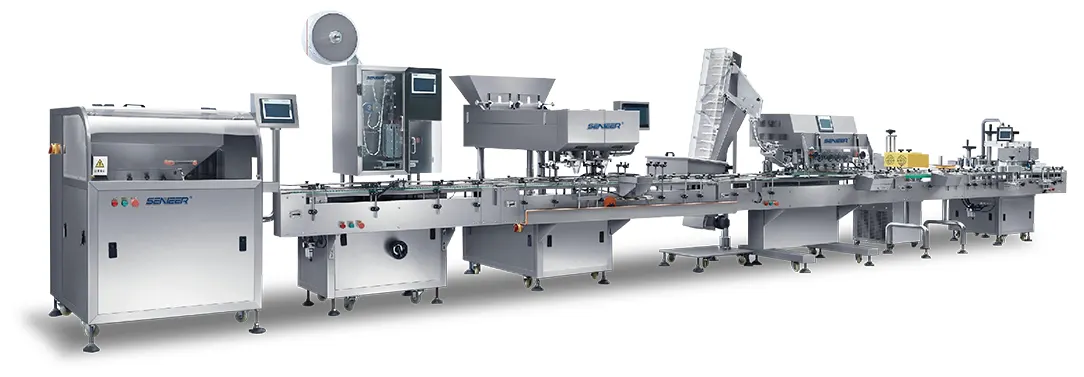
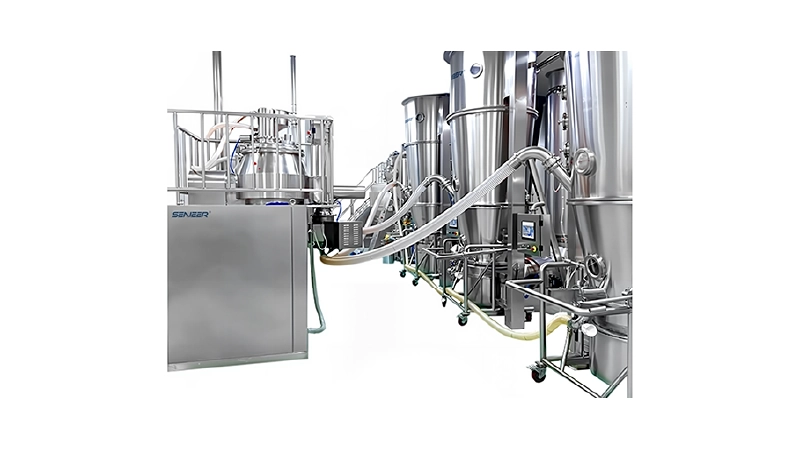
Granulation Line
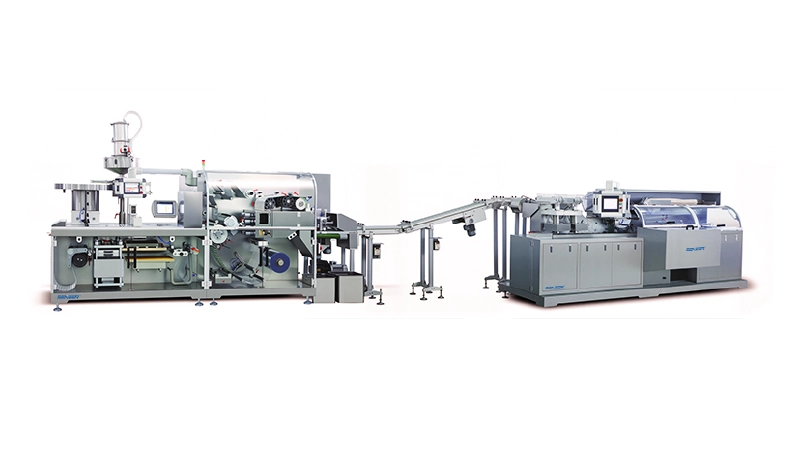
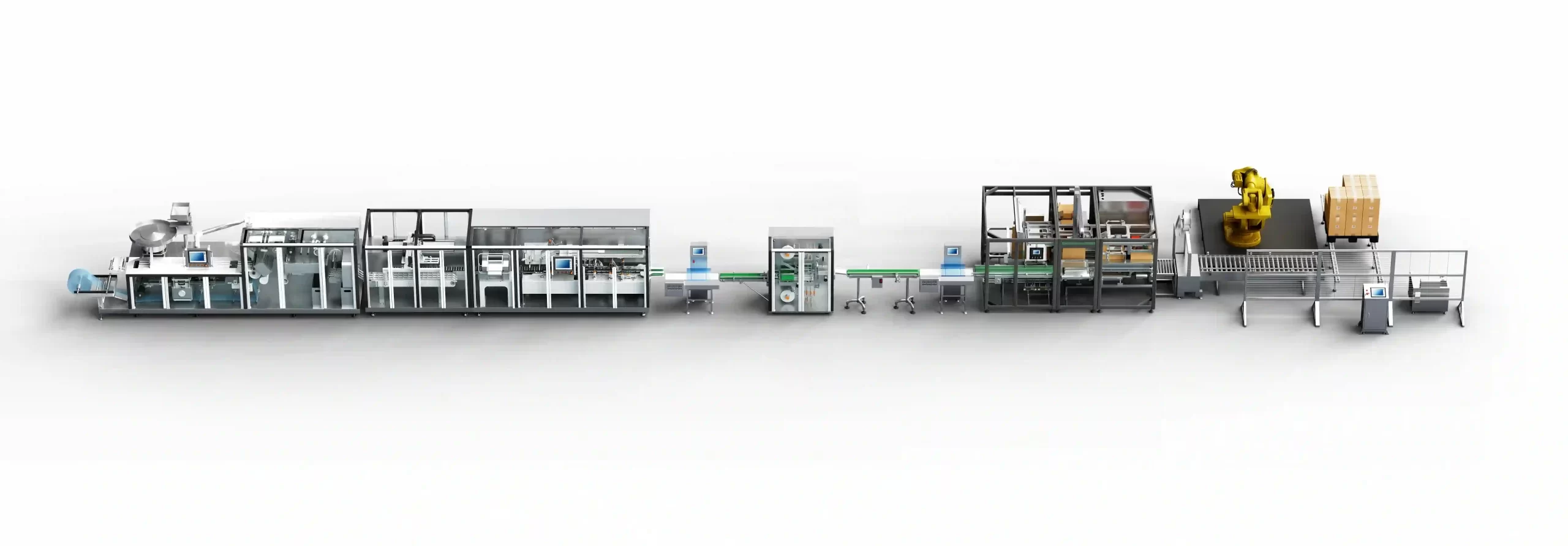
Blister Packaging Line
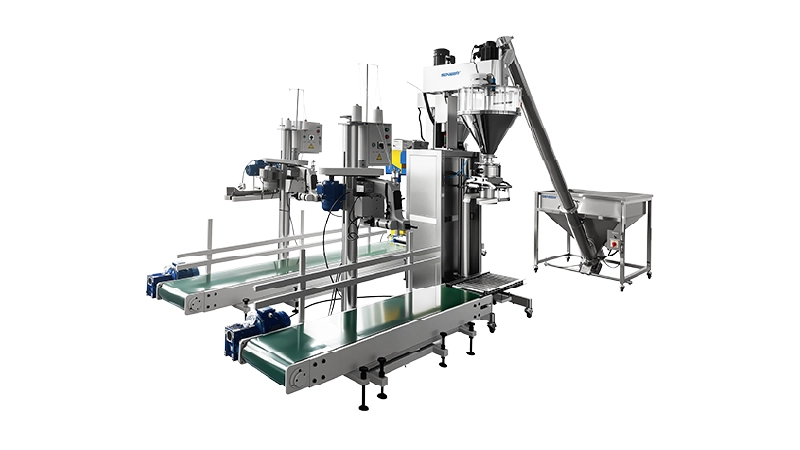
Powder Filling Line